
















































In the UK, tax codes are vital in determining how much tax an individual pays on their income. HMRC issues these tax codes, and employers use them to calculate what amount of income tax is to be deducted from an employee’s salary. HMRC has several tax codes in place, each of which contains a combination of numbers and letters. One such code that is important to figure out for taxpayers is the 1263L tax code. This guide will discuss every significant aspect of the 1263L tax code, including its meaning, when HMRC issues it, and how to change it.
What Does The 1263L Tax Code Mean?
Tax codes provide significant details about an employee’s tax situation and can be seen on the payslip. A tax code tells HMRC and the employer about an employee’s eligibility for the tax-free Personal Allowance. The 1263L tax code is a case in point here.
The 1263L tax code is issued to individuals who are entitled to the standard personal allowance and is commonly used for employees whose income falls within the basic tax rate threshold.
For a taxpayer, the 1263L tax code represents their tax-free Personal Allowance. It is the threshold above which an individual has to pay income tax on their taxable income. That is why it is also called the tax-free Personal Allowance, meaning the taxpayer has to pay no tax on that amount of income. Notably, the standard Personal Allowance for the tax year 2025-26 is £12,570.
Understanding How The 1263L Tax Code Works For The Taxpayers?
When an individual is issued the tax code 1263L, it means they have a slightly higher personal allowance than most people with the standard personal allowance, which is £12,570 for the tax year 25/26. With 1263L, an individual can earn £12,630 in a tax year before they start to pay income tax on their earnings, giving them an extra £60 of tax-free income.
If HMRC notifies someone to use the 1263L code, it is considered positive news, as it increases the tax-free personal allowance, allowing a taxpayer to earn a little more in each tax year before being charged income tax.
The 1257L tax code represents an individual’s personal tax-free allowance, and understanding this code will help them verify if they are paying the correct amount of tax. Therefore, alongside the 1263L tax code, it is equally significant to learn about the tax code 1257L.
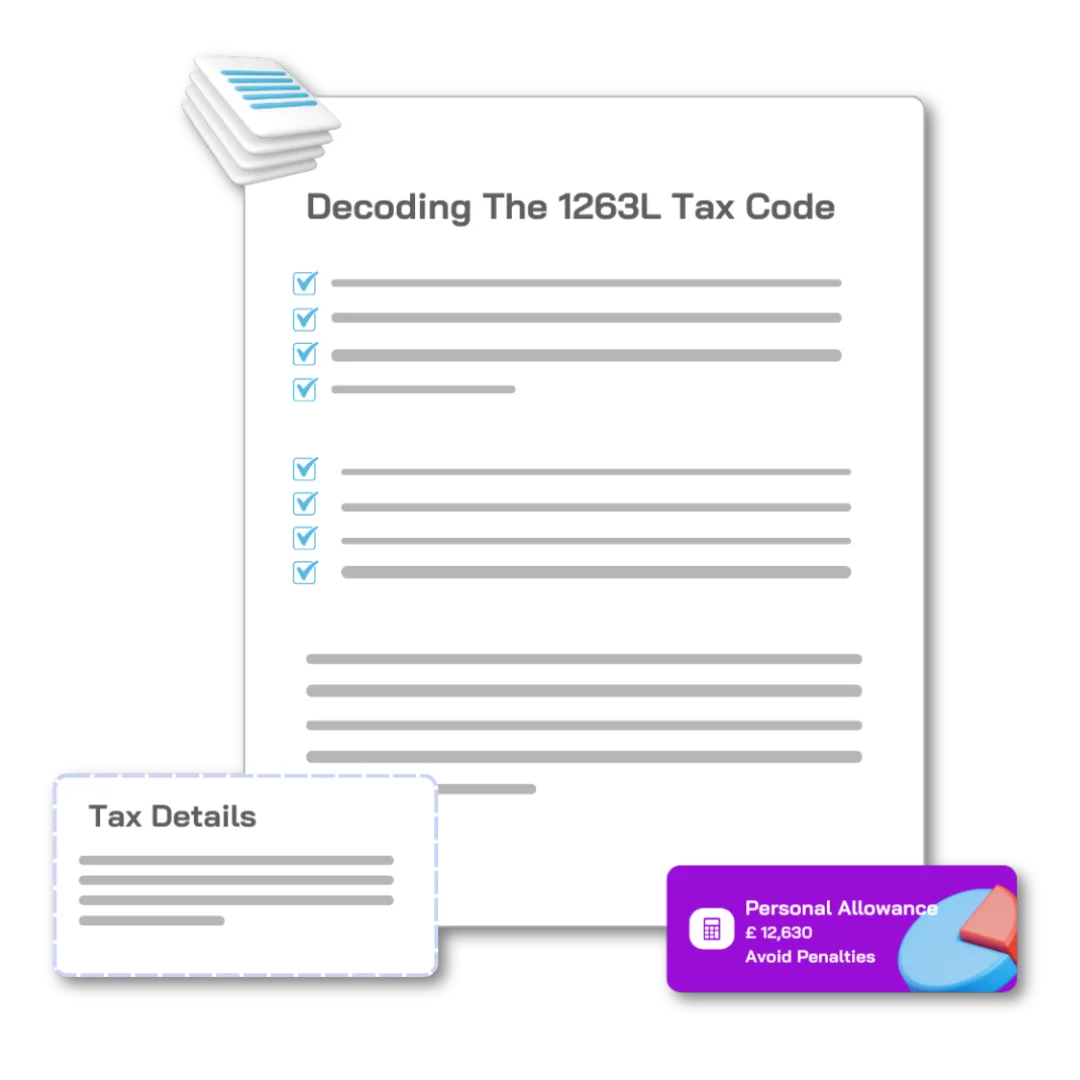
Breaking Down The 1263L Tax Code
In the 1263L tax code, the ‘L’ suffix signifies that an individual is entitled to the basic personal allowance, and HMRC does not take into account any other special circumstances when deciding how an employee’s income is taxed for the job. On the other hand, the number 1263 shows the amount of tax-free income that an individual can earn.
Now, to calculate how much tax-free amount an individual is allowed to earn in a tax year, multiply the number at the start of their tax code by 10. For instance, in the case of 1263L, a person will multiply 1263 by ten to get the total tax-free allowance, which is £12,630 for the year.
When Does An Individual’s Tax Code Change To 1263L?
A person’s tax code changes to the 1263L tax code when HMRC adds £60 to their standard £12,570 Personal Allowance after they claim certain allowable work-related expenses through P87 form or a coding notice update. However, it only applies if their employer has not already reimbursed them for those expenses. If they did, the employees would not be able to claim those expenses again through the tax code.
For greater clarity, an individual gets the 1263L tax code when they qualify for HMRC’s flat rate allowable expenses for the costs and upkeep of their work, such as the use of a work uniform and keeping it clean.
To illustrate, consider a scenario where an employee is required by their job to wear a uniform, like in hospitality or healthcare. HMRC will provide them with an additional allowance of £60 as tax relief for the maintenance of their work uniform, such as laundry costs.
If a person does not get the 1263L tax code, it might be because they are entitled to some other allowable expense or deduction.
Can An Individual Apply For A 1263L Tax Code?
Yes, mostly, a person who is entitled to receive the 1263L tax code can apply directly to HMRC using a P87 form for the ‘washing of uniform allowance’. After HMRC has approved their request, they will receive confirmation from HMRC regarding the change in their tax code.
Furthermore, they are not required to apply for the tax code each year, as they will continue to see the 1263L tax code unless there are changes to their tax situation. In that case, they will contact HMRC and inform them that they no longer require any allowable expenses. However, it is important to note that HMRC can adjust the tax code if they determine that the person no longer requires any allowances, for example, when a person starts a new job with a different employer.
Key Considerations
An employer is only issued the tax code by HMRC, but they do not know how it has been calculated. It means that the employer cannot check whether the issued 1263L tax code is correct. Therefore, the taxpayers must decode the tax codes to ensure they have received the right tax code and are paying the proper amount of tax throughout the year.
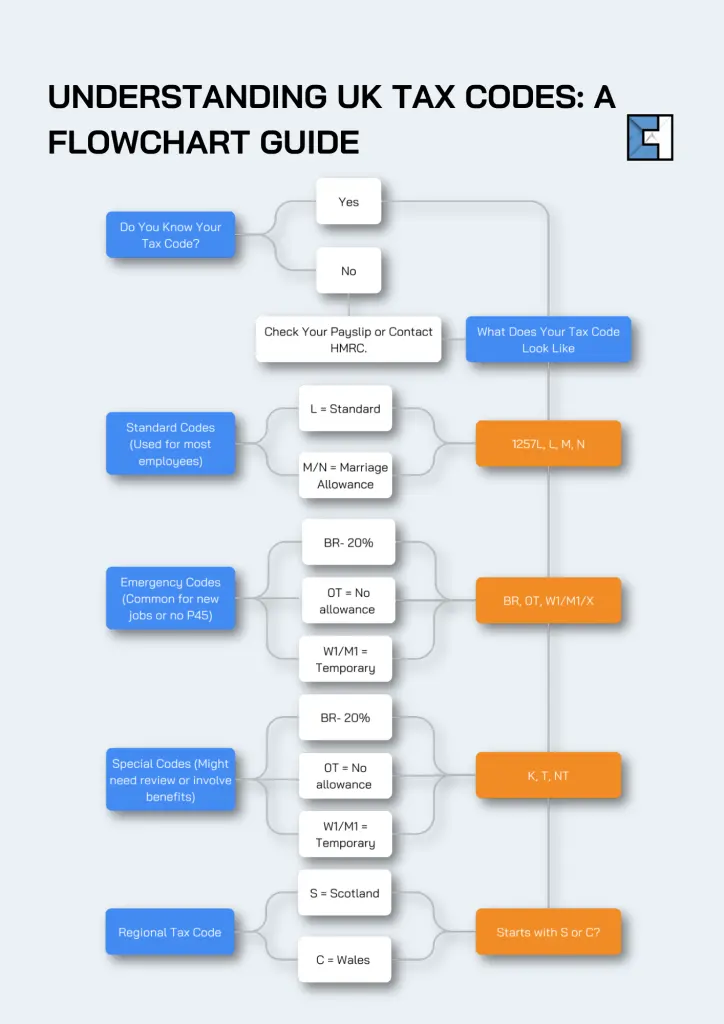
The following guide can help figure out the fundamentals of tax codes in the UK:
Significantly, if a taxpayer encounters any discrepancies or uncertainties about their tax code, they should contact HMRC to verify that they are being issued the correct tax code.
Summary
In conclusion, understanding the details of the 1263L tax code is crucial for UK taxpayers, as it serves as an identifier for those who qualify for the full personal allowance and fall within the basic rate tax bracket. Although the code is not difficult to unravel, understanding the implications attached to it can help taxpayers fulfil their tax responsibilities with confidence.
Additionally, there may be instances where an individual is issued an incorrect tax code by HMRC, resulting in underpayment or overpayment of tax. However, consulting a skilled personal tax accountant and letting them review the tax matters can help the taxpayers stay aligned with the correct tax code.