








































If you are starting as a self-employed carer in the UK, you need to understand the compliance requirements to avoid any unnecessary penalties. This comprehensive guide will walk you through paying taxes as a self-employed carer, record-keeping, tax liabilities, allowable deductions, tax payments, seeking professional advice and more. By following these guidelines, you can confidently navigate the tax landscape and maintain financial stability in your career as a self-employed carer.
If you haven’t started working as a self-employed carer, our complete guide will help you understand how to become and register as a self-employed carer.
Tax Compliance as a Self-Employed Carer
Self-employed people in the UK must keep detailed records to comply with tax requirements and track their money. Keeping thorough digital records is essential for several reasons, including being prepared for Making Tax Digital MTD for ITSA and better grasping your financial situation. Keep your records for at least 5 years.
Some Key Financial Documents to Maintain for Tax Purposes
Keep these essential financial papers to keep track of your finances accurately:
- Copies of all customer invoices and all receipts for business costs
- Statements from the bank, company transactions, cash flow, or other financial data
- Company expenditures on advertising, travel, and office supplies
- Mileage log of your travels
- VAT documentation if you are a VAT-registered business
- If you are an employer, you must keep salary and tax records (PAYE).
Different Taxes Applicable to Self-Employed Carers
It is crucial for a care worker in the United Kingdom who works independently to be familiar with the various taxes levied on their earnings. Most taxes that affect those who work for themselves are as follows:
Income Tax
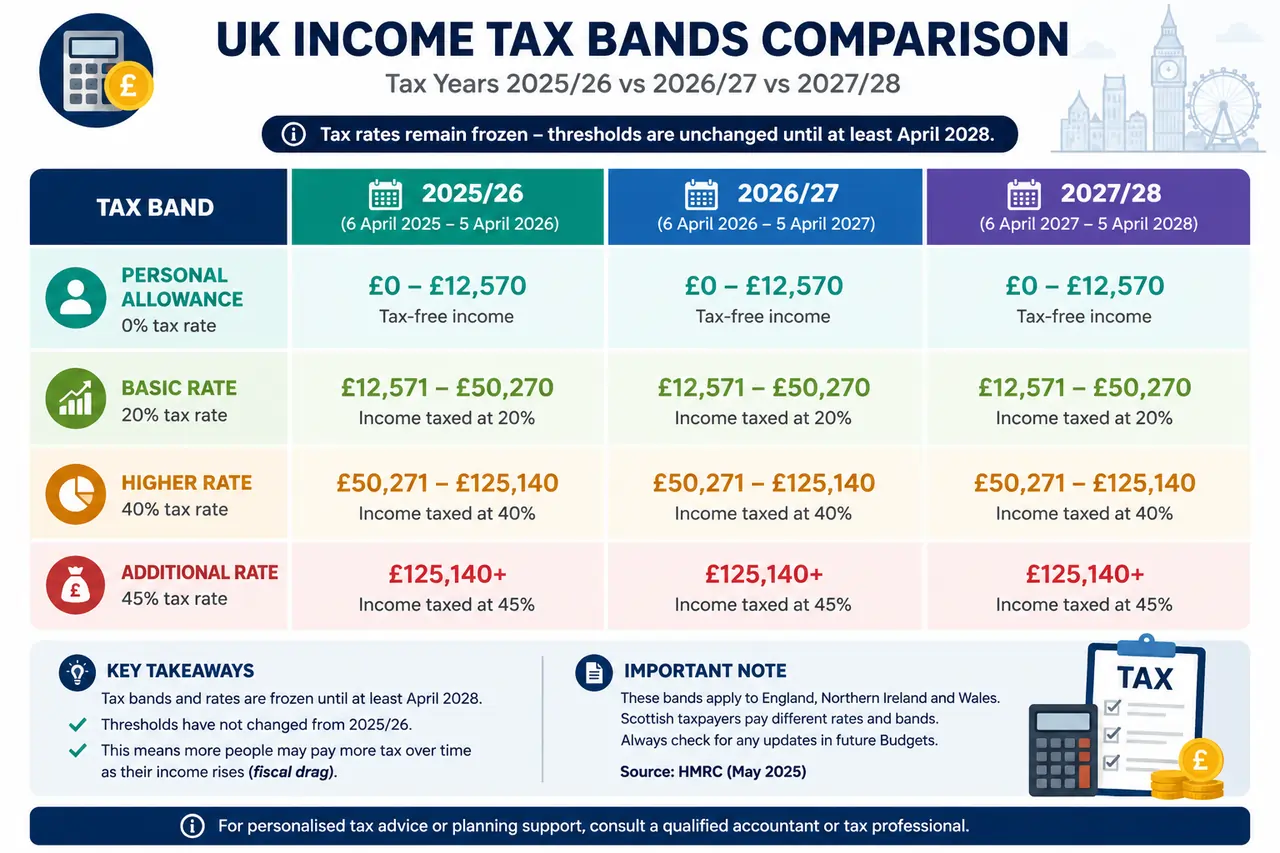
Earnings from self-employment are considered part of your taxable income and subject to income tax. Your Income Tax liability is calculated using your taxable income and the applicable tax brackets and rates established by HM Revenue and Customs (HMRC).
National Insurance Contributions (NICs)
If your business’s yearly profits are between £7,105 and £12,570, you do not need to pay the flat Class 2 National Insurance contribution on a weekly basis. You receive a Class 2 National Insurance credit automatically, meaning you do not have to pay Class 2 contributions but still build entitlement to the State Pension and certain benefits. Class 2 contributions can be paid voluntarily at a rate of £3.65 a week. This covers the State Pension and benefits for those whose profits are below the £7,105 threshold.
Class 4 NICs are payable once your yearly profits exceed the Lower Profits Limit of £12,570. For profits between £12,570 and £50,270, the Class4 rate is charged at 6%. Any profits above £50,270 are charged at a lower rate of 2%.
How to Calculate Taxes as a Self-Employed Carer in the UK
- A self-employed carer earning £28,000 in a year with £3,500 in business expenses (including £2,000 in car expenses, £1,000 in PPE, and £500 in business expenses) would have an annual profit of £24,500.
- For Income Tax, that profit would be subject to a tax of £2,386 after subtracting the personal allowance of £12,570, because the taxable profit is £11,930, and the personal tax would be at the 20% tax rate.
- For Class 4 National Insurance, the profit that exceeds the personal allowance of £12,570 would yield a National Insurance contribution of £715.80, as it is 6% of £11,930.
- In total, the tax and contributions for the example would amount to £3,101.80.
Note: This example assumes you are entitled to the full Personal Allowance and have no other taxable income.

Deductible Expenses You Can Claim as a Self-Employed Carer
You can claim expenses that fall under the allowable expenses as defined by HMRC.
- Simplified Expenses if You are Self-Employed
- The Car Expenses You Can Claim
- Purchases of PPE and uniforms
- DBS checks and background checks
- Training required for care work
- Mobile phone for client communication
- Insurance for operating as a self-employed carer
- Home office and admin
- Care-related equipment and supplies
- Professional memberships or professional subscriptions
Not sure which care-related costs you can claim? Review our guide on allowable business expenses.
Wondering how care income is taxed in the UK? It is essential to understand your allowances, the rules for digital filing, and when to call a professional. See our guides
Tax Payment Deadlines
The following are the due dates for account payments:
- January 31st marks the first instalment for the current tax year and any outstanding balance from the prior year.
- July 31st marks the due date for the second payment on account of the current fiscal year.
What Are the Consequences of Not Paying Tax as a Self-Employed Carer?
HMRC may levy fines and interest for self-employed carers who fail to pay their taxes. Completing your tax duties and meeting the deadlines is critical to avoid any potential legal complications or financial penalties. Consult HMRC or a licensed tax expert for advice if you’re unsure about your tax obligations.
Conclusion
In conclusion, self-employment as a carer in the United Kingdom has significant tax responsibilities that must be carefully managed. Carers who work alone must know their tax responsibilities, keeping vital financial records like invoices, receipts, and bank statements to back up their tax claims.
Self-employed people in the United Kingdom might benefit from consulting an accountant or tax expert. These experts have tax services that cater to the ever-changing landscape of tax law. Their knowledge and experience will be invaluable as you deal with HM Revenue and Customs (HMRC) regulations.
FAQs
Do self-employed carers need to register with HMRC?
Yes. If you earn more than £1,000 as a self-employed person, you must register with HMRC.
Can agency carers be self-employed?
Yes, but it may depend on the specific setup; you can work as a full-time carer as a self-employed person, and part-time as an agency carer, or vice versa. However, you must report the self-employed income to HMRC through Self Assessment.
Do self-employed carers need to register for VAT?
You will need to register for VAT if you are self-employed and your turnover exceeds the VAT threshold (currently £90,000). Whether your services qualify for VAT exemption depends on the nature of the care provided and your circumstances, so professional advice may be required.